Submit a prayer note

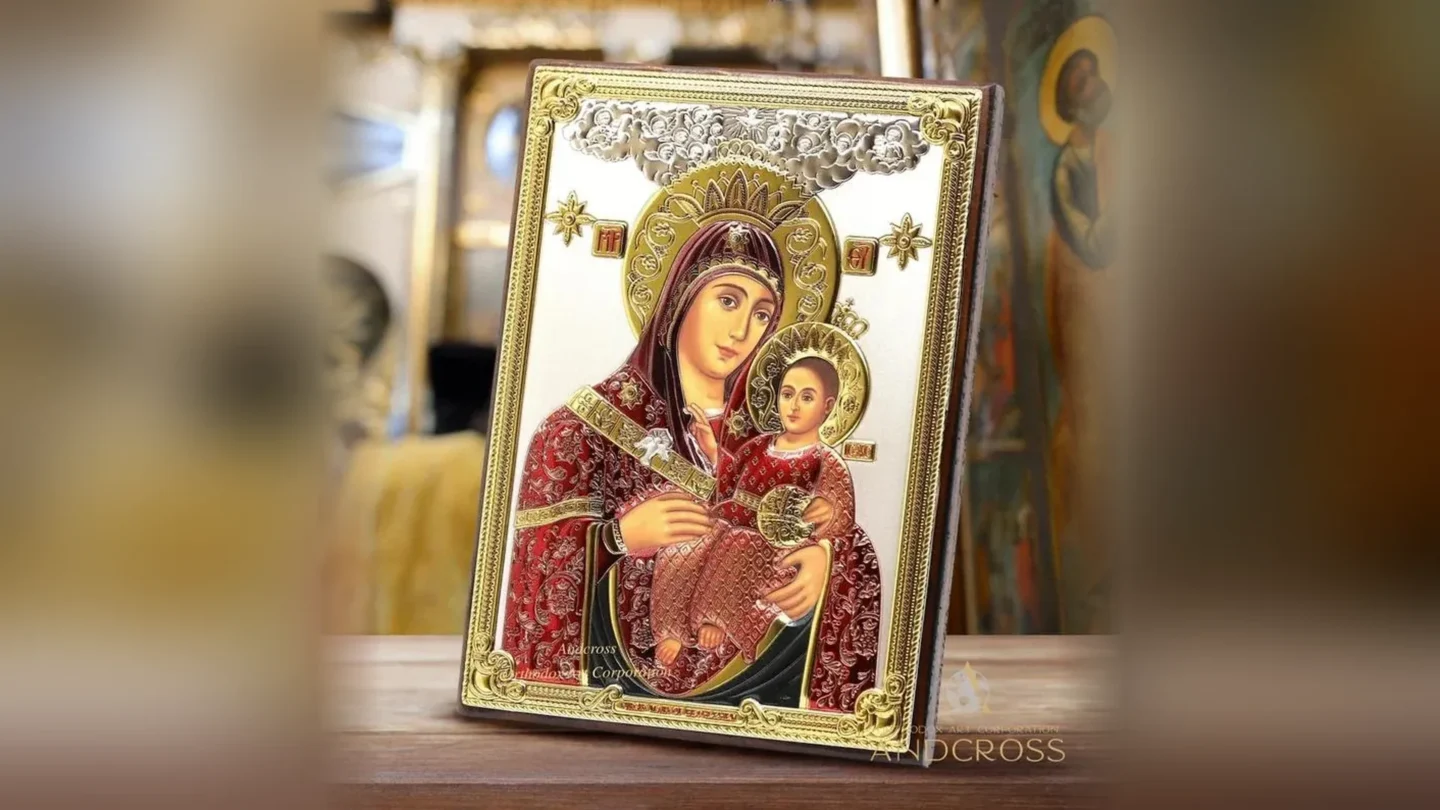
The Nativity Fast prepares Orthodox Christians for the feast of the Nativity of Christ. It lasts forty days and is sometimes called the Orthodox Advent. Compared with Great Lent it is a joyful fast: the mood is one of waiting for a birth, not of mourning.
This guide explains the dates in both church calendars, what the traditional rule says about food, which feasts fall within the fast and how to fill these weeks with more than a change of diet.
When the Nativity Fast begins
The fast starts the day after the feast of the Apostle Philip, which is why it is also known as Philip's Fast. The dates depend on the calendar your parish follows:
- Churches on the Revised Julian calendar, such as the Churches of Constantinople, Greece and Finland, keep the fast from 15 November to 24 December and celebrate Christmas on 25 December.
- Churches on the Julian calendar, such as the Churches of Jerusalem, Georgia and Serbia, keep it from 28 November to 6 January and celebrate Christmas on 7 January.
In Estonia, where our centre is based, there are parishes on both calendars, so it is best to check with your own church. Either way, the fast lasts forty days.
The food rules of the Nativity Fast
The rule is lighter than in Great Lent and grows stricter towards Christmas. In outline, for churches on the Julian calendar:
- Until 19 December, the feast of St Nicholas, fish is allowed on Tuesdays, Thursdays, Saturdays and Sundays. Mondays are for cooked food without oil, Wednesdays and Fridays for uncooked food.
- From 20 December to 1 January, fish is allowed only on Saturdays and Sundays.
- From 2 to 6 January there is no fish, and this is the strictest part of the fast.
- On 6 January, Christmas Eve, the custom is to eat nothing until the first star appears, and then to have sochivo, boiled wheat or rice with honey and nuts.
On the feast of the Entry of the Theotokos into the Temple, 4 December, fish is allowed whatever the day of the week. Parishes on the Revised Julian calendar follow the same pattern on their own dates.
This is the monastic rule. Lay people, and especially the sick, pregnant and nursing mothers, children and those in hard physical work, agree on their measure of fasting with their priest. Many begin simply by giving up meat, dairy and entertainment, and add more as their strength allows.
Feasts during the fast
Several important feasts fall within the forty days. In the civil calendar for Julian-calendar parishes they are:
- 4 December, the Entry of the Theotokos into the Temple;
- 9 December, the dedication of the church of St George the Victorious;
- 13 December, the Apostle Andrew the First-Called;
- 19 December, St Nicholas the Wonderworker;
- 25 December, St Spyridon of Trimythous.
St Nicholas Day is a traditional day for giving presents to children and to anyone named Nicholas. Our St Nicholas icons and St Spyridon icons each have their own section.
Keeping the fast beyond food
Changing your diet is only half of the fast. The Church teaches that the time and strength freed by fasting go into prayer, repentance and good works. In practice that might mean:
- reading a chapter of the Gospel each day, beginning with the Nativity accounts in Matthew and Luke;
- going to confession and Communion at least once during the fast and at Christmas;
- spending less time on news and screens, and more evenings with the family;
- making peace with someone you have fallen out with;
- giving time or money to people who are struggling.
Many people pray for their families during the fast and send prayer requests to monasteries. You can do this from home on the prayer notes page. If you would like to help the people supported by the NIKA association, read about their work on the NIKA page.
The fast with children
Children are not expected to fast like adults. It is enough for them to feel that this is a special time before the feast: fewer sweets and cartoons, more stories, evening prayers and preparing for Christmas. It helps when a child chooses for himself or herself what to give up, and makes a present for someone in the family.
On Christmas Eve the family gathers in the evening, reads the prayers and the troparion of the Nativity, and after the first star sits down to a simple meal. The festive table comes after the night or morning Liturgy of Christmas.
Christmas gifts without the rush
The fast is also a good time to think about presents calmly, well before the last-minute rush. Icons, candle sets and books for the feast are collected under Christmas gifts. Parcels leave Tallinn by registered post, so it is wise to order by mid-December, and you can check the delivery time to your country on the delivery page.