Submit a prayer note
A pilgrimage is not a holiday, but it is still a trip, and a forgotten passport or the wrong shoes can spoil it. This list is what our coordinators remind people about before every departure from Tallinn, whether we go for one day to Pühtitsa or for almost two weeks to Georgia.
Use it as a checklist. If you have a question about a particular trip, ask the coordinator when you apply: the programme of each trip is known day by day in advance, and it is easier to pack when you know where the group will be.
Documents and money
- for trips abroad, a passport that remains valid for at least six months; EU citizens do not need a visa for Georgia;
- travel insurance: each participant arranges it themselves;
- a bank card and some cash in the local currency for candles, prayer notes and small purchases;
- printed or saved copies of the tickets and the programme.
What documents a particular trip needs is described in the terms of participation. Read them before paying the prepayment.
Clothes for monasteries
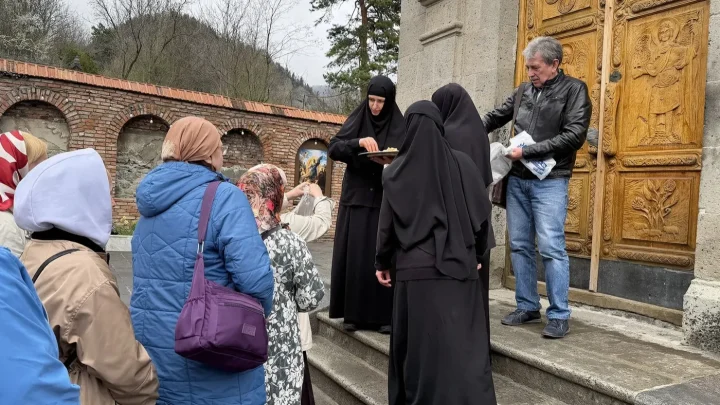
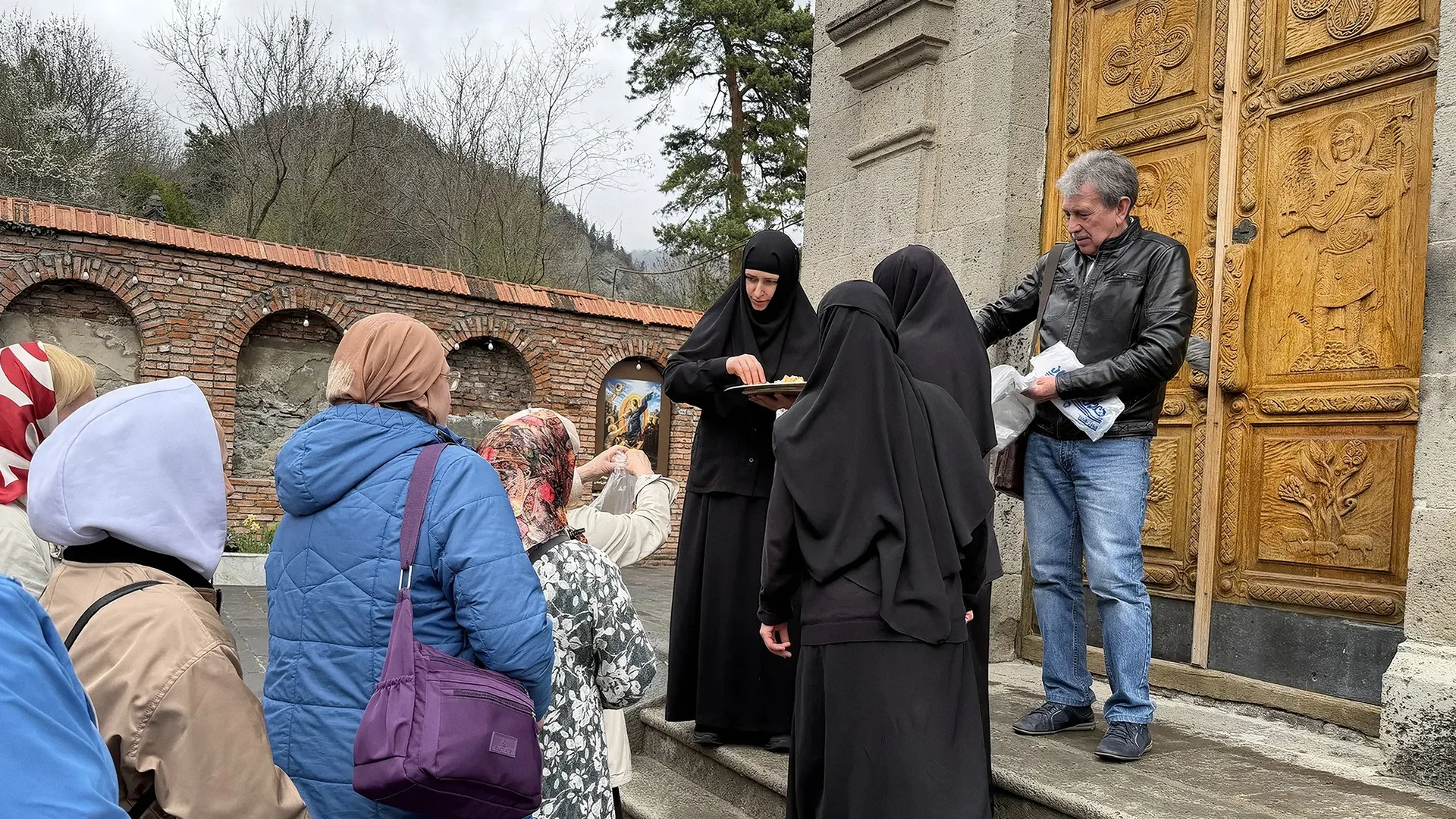
In monasteries we are guests, and each one has its own rules. The general ones are simple. Women need a headscarf and a skirt below the knee; men go into church without a hat, in long trousers and with covered shoulders. A light shawl in a bag solves most questions at the entrance.
Take comfortable closed shoes that you have already worn. Pilgrims walk a lot: to monasteries on hills, along stone paths, around old towns. In autumn in Georgia the days can be warm and the evenings in the mountains cool, so a jacket and something waterproof are always useful.
For the services and prayer
- a small prayer book or the texts of the prayers you read every day;
- a list of names for prayer notes, written out in advance in full church form;
- a small bottle for holy water from the springs;
- a cloth bag for candles, icons and things you buy at the monasteries.
If you want to submit a prayer note at the relics of St Gabriel, you can also do it in advance on the site: the prayer notes page explains how a note is handed to the monastery.
Health and medicines
Take the medicines you need every day, with a supply for a couple of extra days, and keep them in your hand luggage. Early starts and long transfers are part of most programmes. If you have health or mobility limitations, tell the coordinator when you apply: many trips can be adapted, and the experience of the NIKA association helps with this.
A small first aid kit is enough: plasters for blisters, something for the stomach and for a headache, sun cream for southern trips.
What to leave at home
Jewellery and expensive things you would be sorry to lose, a heavy suitcase that you will have to carry up stairs, and too many clothes. On a day trip a small backpack is enough: water, a snack, a scarf and an umbrella.
Before departure
A day or two before the trip the coordinator sends the meeting time and place. Check the weather at the destination, charge your phone and power bank and put the documents where you can reach them quickly. The rest is the group, the services and the time at the shrines.
The schedule of the next trips is in the pilgrimage section, and how to prepare inwardly is described in the article pilgrimage for soul and body.