Submit a prayer note

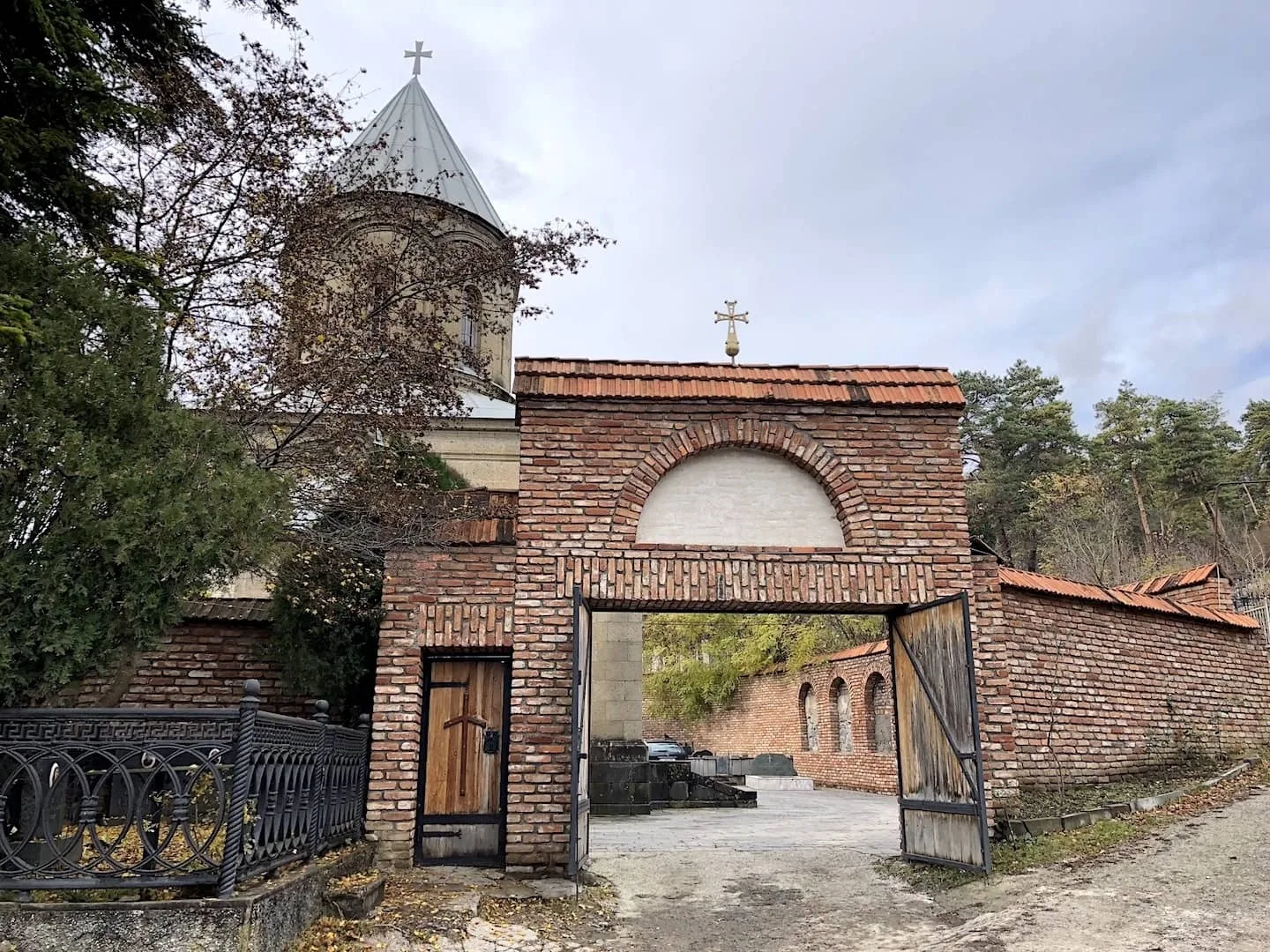
The most precious thing God gives a person is life, and one of the great treasures of life is health. Most of us start thinking about the health of soul and body only when it begins to fail. The usual answer sounds simple: a healthy person has good test results and no pain. Yet anyone who has been through a serious illness knows something more. It is not only the body that hurts, the soul aches too, and sometimes strong medicines help very little while a kind word and a quiet prayer bring strength back.
The Orthodox association for people with disabilities NIKA and the Andcross pilgrimage centre have been taking people to holy places for 26 years. Again and again we have seen the same thing: the deepest questions of health are not solved without God. Faith heals as a living bond between a person and the Creator, with no magic and no spells. This is what our Health of Soul and Body programme is about: a trip to Georgia where prayer at the relics of St Gabriel goes together with a check-up and rest at a sanatorium in Borjomi.
Where illnesses of soul and body come from
Many of our pilgrims live in Estonia and know how hard it can be to see the right specialist: long waiting lists, appointments in a language that is not your own, translated documents. All of this adds worry to someone who is already tired.
The cause of illness often lies deeper than a waiting list. A doctor treats the body, while the soul is healed by the person together with God. Whoever looks for the cause of illness only in physiology forgets that man is created in the image of God and is far more than a set of organs. Despondency, despair, resentment and unbelief wear down health slowly and stubbornly, sometimes faster than any infection. The Holy Fathers called these states illnesses of the spirit.
The programme rests on a simple rule: asking God for help is wisdom, never weakness. We run it with the blessing and support of the clergy of the Georgian Orthodox Church.
A doctor's view: why faith helps treatment
We asked Professor Maka Kvirikashvili, a doctor of medicine with many years of practice, to share her experience. In her observation, patients who have an inner core, faith or at least a sincere wish to find meaning recover two to three times faster, and this shows even in oncology. When a person prays, however clumsily, the chronic stress that undermines the immune system eases.
Her colleagues at the Borjomi sanatorium say the same: consultations and tests do more good when the patient is calm in spirit. She puts it this way: medicines relieve the symptoms, while hope and faith heal the cause.
That is why we join medicine and faith. The programme includes consultations with specialists, laboratory tests, ultrasound and health treatments at the Borjomi sanatorium. The treatment your own doctor has prescribed carries on, and prayer goes alongside it.
Borjomi and the monasteries: two wings of healing
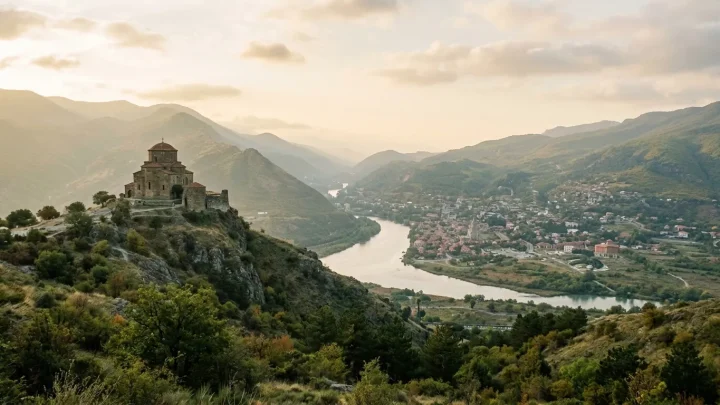
Georgia is a country where faith is felt in the whole way of life. The Borjomi gorge is famous for its mineral springs, pine forests and clean mountain air. Here the participants care for the body: a check-up, treatments, walks, rest and recovery.
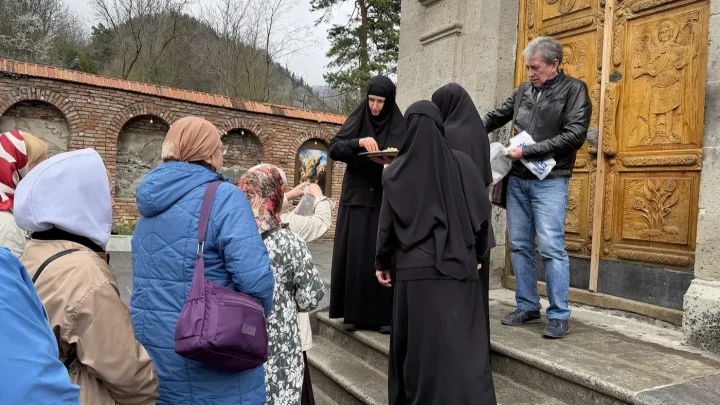
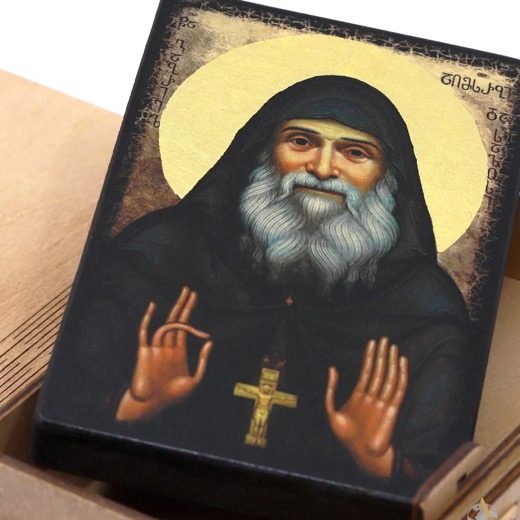
The other half of the trip belongs to the soul, and it is the heart of the programme. In Samtavro monastery in Mtskheta rest the relics of St Gabriel (Urgebadze), to whom people come from all over the Orthodox world. In Borjomi itself the group visits the Monastery of the Nativity of the Most Holy Theotokos, where the remains of ancient monks are kept and pilgrims pray for health.
People often ask us how healing happens in Orthodoxy. The answer is simple and deep at once. It is a path that includes:
- confession and Holy Communion;
- anointing with blessed oil;
- reverently venerating the holy relics with faith and prayer;
- common prayer at the divine service;
- a calm attitude to holy things, free of superstitious fear.
The fruit of this path is relief, hope and often a real improvement in health. When and how help comes is for the Lord to decide.
The quiet help of St Gabriel
Over 26 years of trips we have gathered many testimonies. They are quiet, yet each shows the mercy of God. One pilgrim came to the relics in despair, with a serious cancer diagnosis. After confession and prayer she felt an inner stillness, and at home, after new tests, her doctors told her the results had clearly improved. In another family the parents prayed for a child with a poor prognosis, and the child's condition stabilised.
Orthodoxy promises no miracle on demand, and saying otherwise would be untrue. But God's help is real, and through the prayers of St Gabriel it reaches people all the time. Most stories concern the soul: people with anxiety, panic attacks or heavy despondency leave the relics feeling that everything inside has become quiet, and they find the strength to live again. More accounts are gathered in the article on help through the prayers of St Gabriel.
How to pray when you feel nothing
The first step is hard, especially for someone ill and exhausted. We often hear: I pray, but it feels empty, so I am not being heard. This is a common state, and even people of deep faith go through dryness in prayer. Here is what helps in practice.
Pray simply. Say honestly: "Holy Father Gabriel, I feel nothing, but I still ask you, help me." A saint needs truthful words, and beauty matters little here.
Let go of expecting special feelings. Prayer is a living appeal to the saint, and emotions in it come second. The answer sometimes arrives as a clear thought about what to do, or simply as anxiety fading away.
Notice small changes. You feel a little calmer, you breathe more easily, hope appears. That is already a response, and things have started to move.
Gifts of the Georgian monasteries
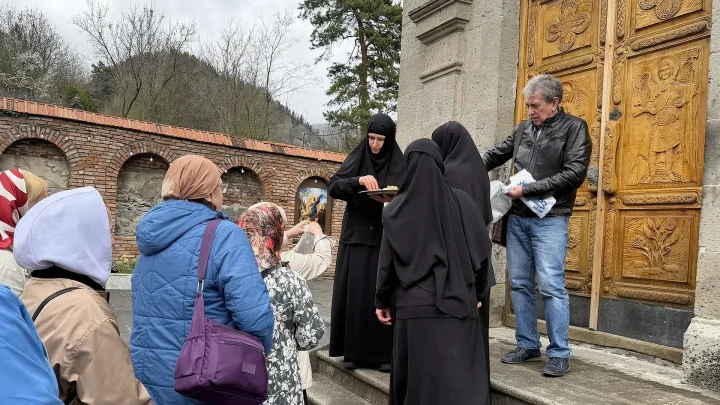
On the trip the participants get to know what nuns and lay workers make with their own hands. Everything is prepared with prayer from natural ingredients:
- pine pollen, long valued in Georgia for restoring strength;
- rose petal jam, fragrant and delicate, a favourite with tea in the cold season;
- jam from young pine cones, a traditional winter treat;
- creams with herbs and oils, blessed in the monastery.
These gifts stay with a person at home, as a reminder of the trip and of prayer in holy places.
Where to begin
Everything we have learnt over the years of service fits into three thoughts. The main problems are solved with God. Healing begins in the soul and then shows in the body. Asking God for help is no shame, it is far harder to despair and not ask.
If you are tired of struggling alone, if the doctors can do no more, or if your heart is simply heavy, come. Venerate the relics of St Gabriel and talk to Mother Paraskeva, the elder's cell attendant, who remembers him in life. Breathe the air of Borjomi, go to confession and receive Communion. We arrange the travel from Tallinn, the meeting and transfers, the doctors' consultations and talks with a priest. Dates of the next trips to Georgia are in the pilgrimage schedule, and before you travel it helps to read how to prepare for a pilgrimage.
Health is easy to put off until later. Begin with what matters most: peace in the soul and faith in God.