Submit a prayer note
An Orthodox prayer request is one of the oldest and simplest forms of Christian love. You write down the first names of people dear to you, hand the slip to the church, and during the service the priest reads those names aloud. At that moment your mother, your sick friend or your grandfather who died years ago are prayed for by everyone in the church, most of whom have never met them.
In English-speaking parishes the slip is called a prayer note, a commemoration list or simply "names for the altar". The custom is the same everywhere: two lists, one for the living and one for the departed, and nothing on them but baptismal names.
This article explains why Orthodox Christians ask the Church to pray for their loved ones, who can be named, why many families send names to relics and monasteries far from home, and how that works in practice.
Why we ask the Church to pray
Every believer prays for family at home, in their own words, and nothing replaces that. Yet the Church has always taught that prayer grows stronger when it is shared. St James writes that we should pray for one another, that we may be healed. A name read out in church is carried by the whole gathered community.
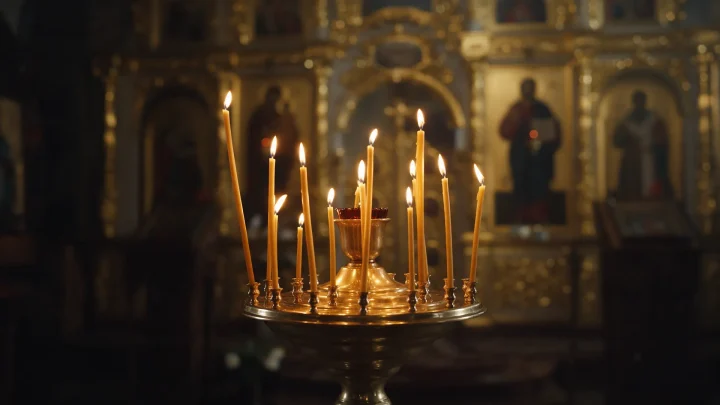
The main commemoration takes place at the Divine Liturgy. Before the service, at the Proskomedia, the priest cuts small particles from the prosphora bread for the living and for the departed and names them one by one. Later in the Liturgy the names from the notes are read during the litanies, and the people pray with the priest.
So a prayer request is not reserved for emergencies. Families send names before an operation, but also before exams, a long trip, a new job or a birth. A note for the living asks for every good thing for body and soul. A note for the departed asks God's mercy for those who can no longer pray for themselves.
Who can be named in a prayer note
There are two kinds of note, and the names are never mixed: the living are commemorated in one part of the service with one set of prayers, the departed in another.
On a note you write:
- the names of people baptised in the Orthodox Church;
- their full church names, without surnames, titles or nicknames;
- your own name, if you wish; there is nothing wrong with asking prayers for yourself.
People who are not baptised, people of other faiths and those you are not sure were baptised are remembered in prayer at home. That prayer is just as real; it simply does not go on the altar list. In Slavic languages and some others, names on a note are written in the genitive case, the form that answers "for whom".
How to write names for a child, a sick person or someone recently departed, with a sample note, is covered in a separate guide: how to write an Orthodox prayer note.
Why send names to relics and monasteries
A prayer note can be handed in at any parish, and God hears a village chapel as surely as a cathedral. Still, many people have a place bound up with their own story: a monastery they once visited, a saint they turned to in a hard year. They want the names of their family read there, even when they cannot travel themselves.
A prayer request at the relics of a saint means that your loved ones are remembered where that saint rests, and that you ask for the saint's prayers as well. Any help comes from God, by His mercy and through the prayers of His saints. A note is sent in faith and left in God's hands, with no promise of a particular outcome.
One pilgrim told us that in 2019 she and her husband stood for a long time at the relics of Father Gabriel in Samtavro, praying for their children. Every autumn since then they have sent a prayer note there.
Where the names are commemorated
Prayer notes sent through our site go to two monasteries in Georgia.
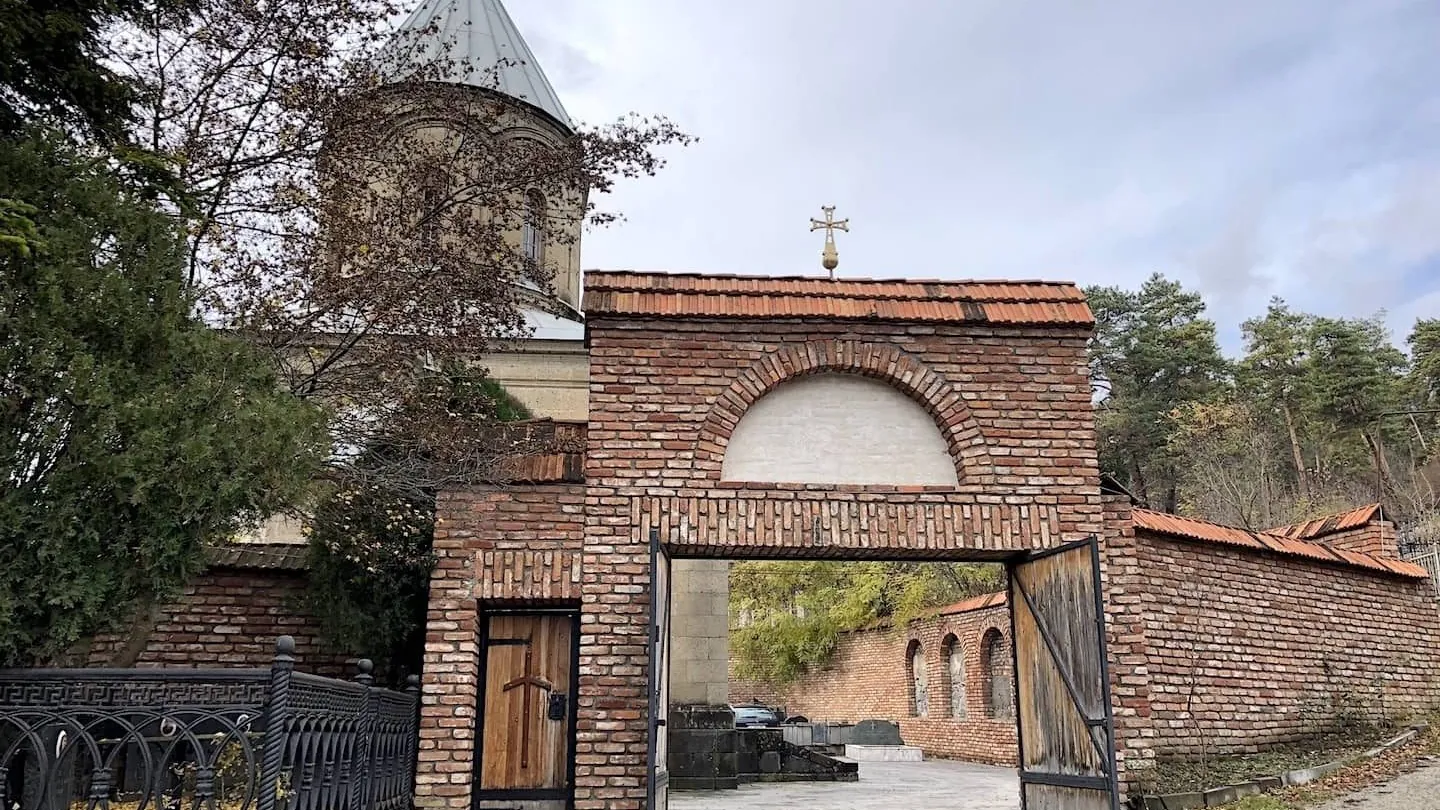
Samtavro monastery stands in Mtskheta, the ancient capital of Georgia, twenty kilometres from Tbilisi. It was founded in the 4th century where St Nino, Equal-to-the-Apostles and the enlightener of Georgia, lived. Its Church of the Transfiguration holds the relics of St Gabriel (Urgebadze) and the tombs of King Mirian and Queen Nana, the first Christian rulers of Georgia. Our groups spend two days at Samtavro on every autumn trip and bring prayer notes for the living and the departed to the relics of St Gabriel.
The Monastery of the Nativity of the Most Holy Theotokos is a working convent in the town of Borjomi, in a gorge among the mountains of the Caucasus. Its ossuary keeps the remains of monks who, according to the monastery tradition, were martyred during ancient raids on the monasteries of the gorge. Pilgrims come there to pray for health and for help in illness and sorrow.
How to send a monastery prayer request online
You can send a note from the prayer notes page. The steps are short:
- Choose the monastery and the type of note: for the living or for the departed.
- Enter up to five names.
- Make a donation.
- Right after payment you receive an email with the names and the type of note.
We then hand the note to the monastery ourselves: in person on our nearest trip or, if no trip is coming soon, by email to the monastery within 1-2 days. The note will be delivered and the names will be commemorated at the divine service. All your notes are kept in your personal account.
The donation goes to the NIKA association of the disabled, on a separate donation account. From it the association submits prayer notes in monasteries and helps people in need. The full conditions are on the prayer notes terms page.
Keeping the names in your own prayer
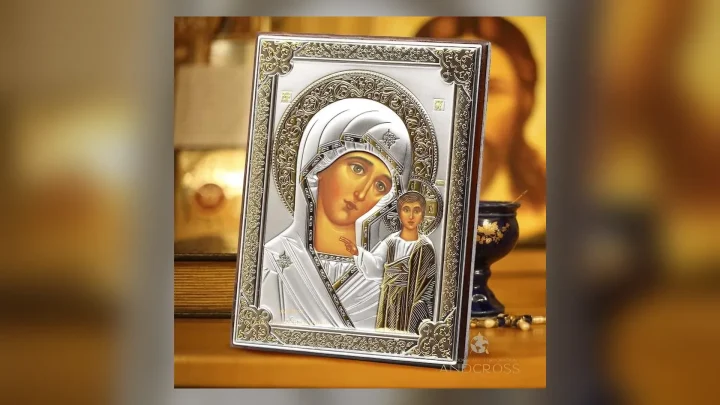
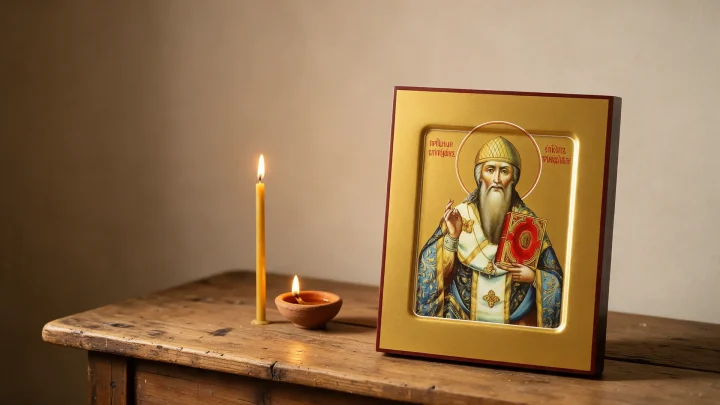
A note sent far away works best alongside your own prayer. On the day you send it, or the next Sunday, remember the same people before your icons at home or in your parish church. Many families keep a written list of the living and the departed by the icon corner and read it at morning or evening prayers. Those who cannot go on the note belong on that home list. If you are unsure whom to include or how to write a name, write to us and we will advise.