Submit a prayer note
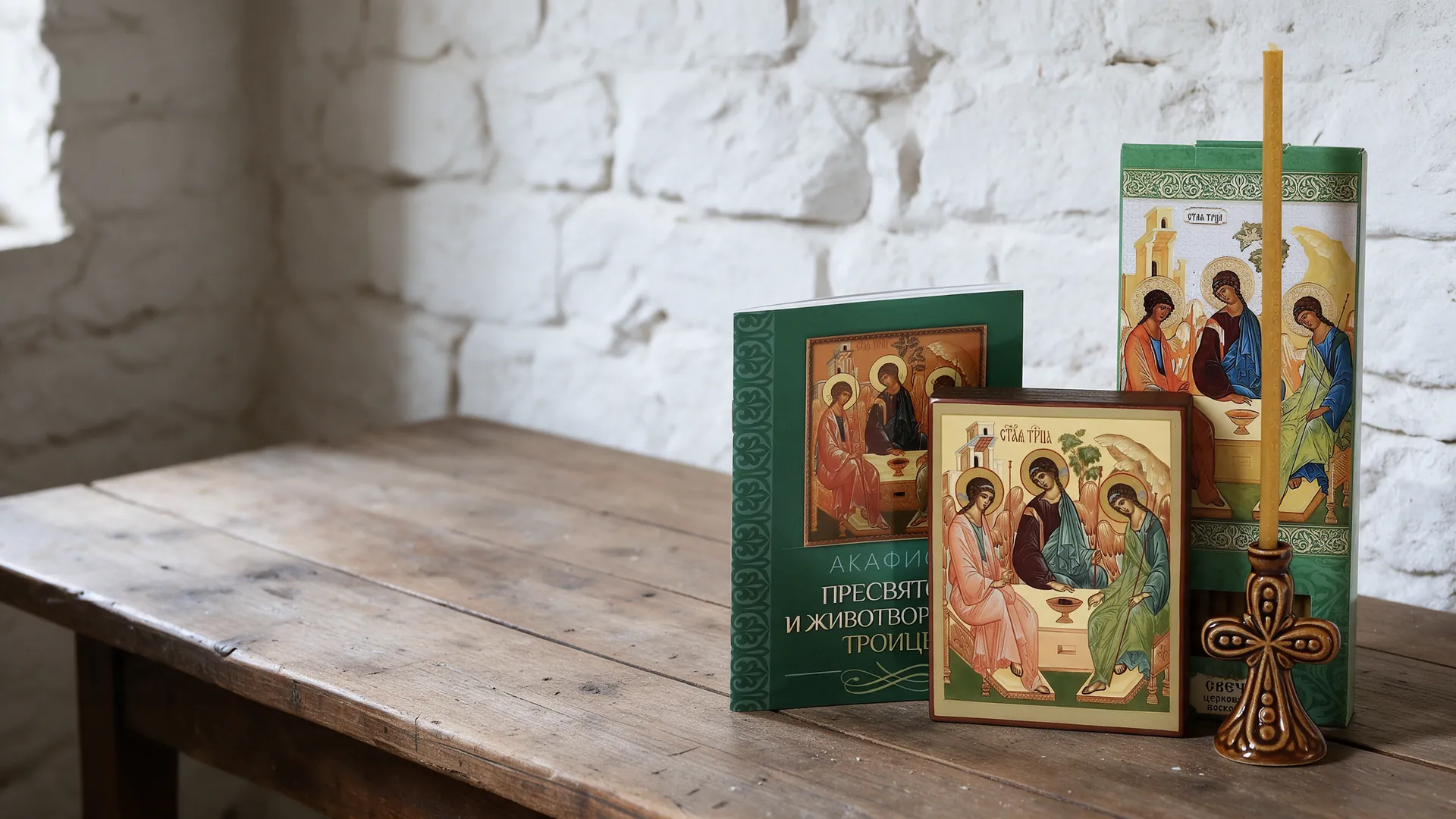
The Pskov-Caves monastery, properly the Holy Dormition Pskov-Caves monastery, stands in the small town of Pechory, close to Pskov and only a short distance from the Estonian border. It dates its foundation to 1473, when a church of the Dormition of the Mother of God was dug into a sandstone hillside and consecrated. Monastic life has continued there without a break ever since.
That last point is what many pilgrims know first about the place. The monastery has never been closed in its whole history, the Soviet decades included. Below is a short guide to how it began, what the caves are, which saints and elders are connected with it, and what you will see on a visit.
The God-made caves
The name of the monastery comes from its caves. They lie in the side of a ravine cut by a small stream, and they are natural rather than dug by hand. For this reason they are called the God-made caves: the monks found them ready and only widened the passages over time.
Tradition names a hermit called Mark as the first to live and pray here. Later a priest named John came from Yuriev (today's Tartu) with his family, settled near the caves and began cutting a church into the hill. His wife Maria became a nun with the name Vassa and was the first to be buried in the caves. After her death John also took monastic vows as Jonah. He consecrated the Dormition church and is honoured as the builder of the monastery.
Visiting the caves of the Pskov-Caves monastery
The caves are still a burial place: the brethren of the monastery are laid to rest there to this day. Coffins are set into niches cut in the walls of the passages and closed with plates. Visitors often remark that there is no smell of decay underground, even though burials have taken place here for more than five centuries.
Pilgrims go down with a monk as a guide, each holding a candle. The passages are narrow and cool all year, so a warm layer is sensible even in summer. It is a cemetery, and people keep silence there and pray for the departed.
St Cornelius and the monastery walls
The monastery grew strong under Abbot Cornelius in the 16th century. Pechory was then a frontier town, and under his rule the monastery was enclosed by stone walls with towers, which turned it into a fortress. Cornelius built churches, extended the caves, collected books and cared for the poor and the sick.
Tradition says that in 1570 he went out to meet Tsar Ivan the Terrible and was killed at the monastery gate. His body was carried to the Dormition church, and the path from the gate is still called the Bloody Path. Cornelius is venerated as a martyr, and his relics rest in the monastery. A few years later the fortress he built withstood a long siege, and its walls protected the brethren in later wars as well.
Saints and elders of Pechory
Several saints are linked with the monastery: the founders Mark, Jonah and Vassa, the martyr Cornelius, and from the 20th century St Simeon (Zhelnin), who served for many years as the confessor of the brethren.
Between 1920 and 1940 Pechory was part of Estonia, so the monastery came through the first Soviet decades untouched, and afterwards it was never closed. Archimandrite Alipy (Voronov), its abbot in difficult years, is remembered for defending it.
Many people came here for the elders. The best known of them is Archimandrite John (Krestiankin), who lived in the monastery for nearly forty years. People travelled from far away to ask his advice, and his letters to spiritual children are still published and read. He is buried in the God-made caves. The monastery also has a link with Tallinn: in 1990 the future Metropolitan Cornelius of Tallinn took monastic vows here.
Shrines of the Pskov-Caves monastery
The main shrines a pilgrim will find are:
- the Dormition cave church, where the monastery began;
- the Pskov-Caves icon of the Dormition of the Mother of God, the chief icon of the monastery;
- the Pskov-Caves icon of the Mother of God of Tenderness, linked with the deliverance of Pskov from a siege;
- the relics of St Cornelius;
- the God-made caves with the graves of saints and brethren.
Above ground you will see St Michael's cathedral, St Nicholas church by the Holy Gate, the churches of the Meeting of the Lord and of the Annunciation, and the belfry. The buildings follow the slopes of the ravine, and the view down from the cathedral to the cave church is one of the most familiar images of Pechory.
Icons from the monastery workshops
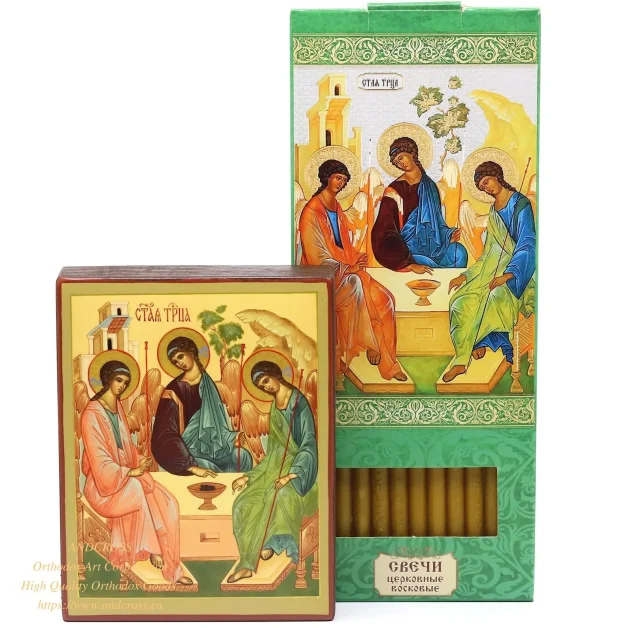
The workshops of the Pskov-Caves monastery prepare icons that are blessed in the monastery itself. On the back of each one is a certificate with the signature of the senior master and the seal of the monastery. We explain how to read it in our article on the Pskov-Caves icon certificate.
You will find these icons in the shop under icons of the Pskov-Caves monastery workshops. The certificates are shown on our consecration page, and a short profile of the monastery is on the Pskov-Caves monastery page.
 Pskov-Caves monastery